
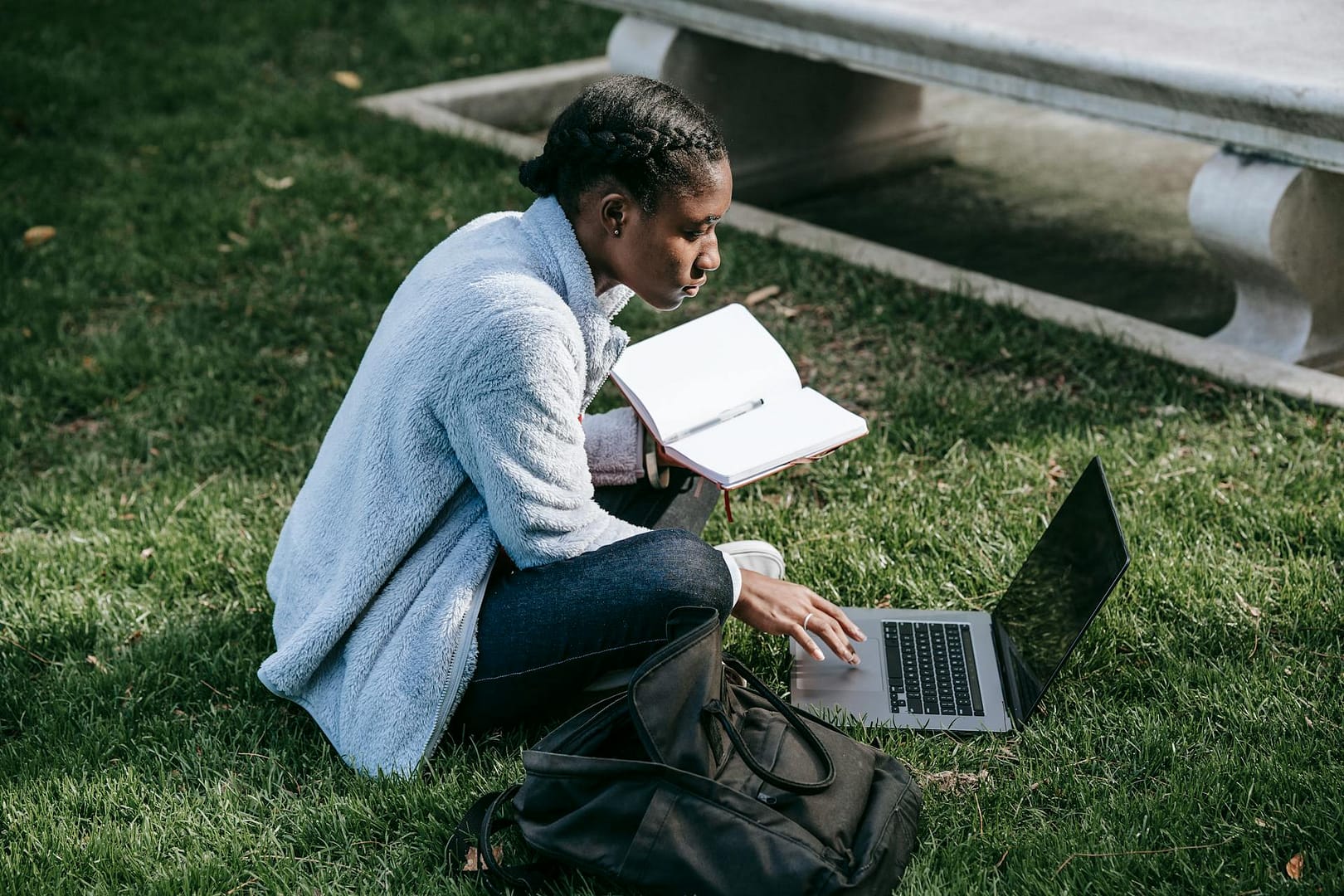
In today’s fast-changing world, education goes far beyond textbooks and lectures. Students are expected to think critically, explore independently, and make informed decisions. In this helpful list of essential academic skills, one of the most underrated ones is definitely research skills. They allow learners to gather, analyze, and interpret information effectively. Whether in academic projects or real-life decision-making, the ability to research properly builds confidence and independence. Understanding and applying research skills helps students thrive in modern education and prepares them for success beyond the classroom.
Understanding What Research Skills Mean
 Research skills involve the ability to locate, evaluate, and use information effectively. It’s more than just searching online. It’s about knowing where to find credible sources, how to interpret data, and how to draw logical conclusions. In education, these skills help students move from passive learning to active discovery. When learners can investigate topics on their own, they develop a deeper understanding and a sense of curiosity that drives continuous learning. Strong research skills ensure that students are not limited to surface-level knowledge.
Building Critical Thinking Through Research
One of the biggest advantages of research is how it strengthens critical thinking. Students learn to question what they read, compare perspectives, and identify bias. This helps them avoid misinformation and make reasoned judgments. Critical thinking also encourages creativity, as learners are pushed to connect ideas and find new solutions. Research teaches students to approach problems methodically, analyze evidence, and reach sound conclusions, skills that are valuable in every area of life, not just in school.
Encouraging Independent Learning
Modern education emphasizes independence, and research plays a vital role in this. When students learn to find answers on their own, they become more responsible for their education. This self-directed approach promotes discipline, focus, and persistence. Instead of relying solely on teachers, learners discover how to explore new topics independently. It fosters a sense of ownership and pride in one’s learning process. Over time, independent learning transforms students into confident thinkers who can adapt to any academic or professional challenge.
Enhancing Communication and Writing Skills
Effective research naturally improves communication and writing. When students gather information and synthesize it into a coherent argument, they refine their ability to express thoughts clearly. Research papers, essays, and reports all require logical organization and proper citation of sources. These practices develop academic integrity and professionalism. Beyond school, clear communication is essential for success in almost every career. Research teaches students how to present ideas with accuracy, structure, and confidence.
Preparing for the Digital Age

We live in an era where information is everywhere. However, not all sources are reliable. Research skills train students to distinguish credible content from false or misleading information. Learning how to use digital tools responsibly, such as academic databases, online journals, and citation software, prepares learners for the demands of the modern world. These digital research habits help ensure that students use technology productively rather than passively. It’s about turning information overload into meaningful insight.
Connecting Research to Real-World Applications
Research skills extend far beyond school projects. In everyday life, we use them when making informed decisions, whether choosing a product, evaluating news, or planning a career path. In professional settings, employees with strong research abilities stand out for their problem-solving and analytical thinking. These skills support innovation, strategy, and continuous improvement in every industry. For students, learning how to research well builds a foundation for lifelong success and adaptability in an ever-evolving world.
Fostering Collaboration and Knowledge Sharing
Research is often a collaborative process. Group projects, discussions, and peer reviews allow students to share insights, challenge assumptions, and learn from one another. This interaction builds teamwork, respect for diverse viewpoints, and stronger social awareness. When students learn to exchange information effectively, they also enhance their communication and interpersonal abilities. Collaboration in research mirrors real-world professional environments, where cooperation and collective problem-solving are essential for growth.
Research skills are more than an academic requirement. They are a cornerstone of modern education and personal development. They nurture curiosity, independence, and critical thinking while improving writing, communication, and digital literacy. In a world that values adaptability and informed decision-making, these abilities are indispensable. By mastering research skills, students prepare themselves for the utmost success both inside and outside the classroom. They become not just learners but thinkers, capable of turning information into meaningful knowledge and lasting growth.

